
Overview of Bosch Ascenta Dishwasher
The Bosch Ascenta delivers quiet performance with a 50‑decibel rating, a stainless‑steel tub, and a polypropylene bottom․ Its 24‑inch width fits standard kitchens, while ENERGY STAR certification ensures low energy use․ Ideal for fast dishwashing․ Its design supports flexible loading for larger items․ !

Model Specifications and Dimensions
The Bosch Ascenta 50‑decibel dishwasher (model 9000 633 139) measures 23․62 inches in width, 35․6 inches in height, and 24 inches in depth, fitting the standard 24‑inch kitchen bay․ The stainless‑steel tub holds 15 place settings, with a 1․4‑cubic‑foot capacity․ The appliance weighs 125 lbs (56․7 kg) when empty, and the polypropylene bottom adds durability while keeping the unit lightweight․ The control panel features a 4‑row LED display and a 2‑hour delay start, while the 3‑cycle wash options (Eco, Normal, Intensive) offer flexibility․ The water inlet pressure is rated at 20 psi, and the drain hose length is 7 feet, allowing placement near the sink․ The dishwasher’s energy consumption averages 0․9 kWh per cycle, and the noise level stays below 50 dB(A) during operation․ The model includes a 2‑year limited warranty on parts and a 1‑year limited warranty on labor, and it is ENERGY STAR certified for efficiency․ The Ascenta’s design incorporates a flexible third rack and a fold‑down tongs for easy loading of pots and pans․ The dishwasher’s dimensions are listed in the user manual for precise installation․
The Ascenta’s compact footprint allows it to be installed in tight spaces, and its 0․9 kWh per cycle energy use keeps operating costs low․ The dishwasher’s 50‑decibel noise level ensures quiet operation even during the intensive cycle․ Its 3‑cycle wash options provide flexibility for light, normal, and heavy loads․ The stainless‑steel tub resists stains rust while the polypropylene bottom protects the cabinet from water damage․
Key Features and Energy Efficiency
Experience quiet, efficient cleaning with the Bosch Ascenta’s 50‑decibel operation, ensuring minimal kitchen noise․ The stainless‑steel tub resists stains and rust, while the polypropylene bottom protects cabinetry from water damage․ Three wash cycles—Eco, Normal, Intensive—provide tailored cleaning for light to heavy loads․ A 2‑hour delay start, fold‑down tongs, and a flexible third rack accommodate pots, pans, and long utensils․ The 4‑row LED display offers clear cycle status, and the 0․9 kWh per cycle consumption keeps running costs low․ Certified ENERGY STAR, the Ascenta delivers reliable performance while meeting strict energy‑efficiency standards․!!!
The Ascenta’s intelligent water‑sensing technology adapts the amount of water used to the load size, reducing consumption while maintaining cleaning power․ Its 120‑minute Eco cycle delivers deep cleaning with 0․9 kWh, whereas the 45‑minute Quick Wash tackles lightly soiled dishes in under an hour․ The flexible third rack can be folded down for larger pots, and the adjustable tongs allow you to secure pans of shape․ A built‑in water‑softening system ensures dishes clean and filter life․ The dishwasher’s quiet operation is complemented by vibration‑damping soft feet, keeping the appliance stable during cycles․ With a 4‑row LED display, you can monitor progress and receive alerts for any issues․ The 2‑hour delay start lets you schedule a wash for the next morning, Home Connect integration allows remote control via smartphone․
Installation & Setup
Follow Bosch’s guide: verify space, connect water line, attach drain, secure unit, test with a cycle․ Ensure 24‑inch width fits, use supplied brackets, and check for leaks before first use; Keep vent clear for optimal performance․ Check vent clearance and ensure airflow now․
Pre-Installation Checklist
Before installing your Bosch Ascenta, gather the following tools and verify conditions:
- Phillips screwdriver
- Adjustable wrench
- Level
- Water pressure gauge
- Drain hose
- Sealant (silicone)
- Electrical outlet (120V, GFCI)
Check the cabinet space: width 24 inches, height 35․5 inches, depth 23․5 inches․ Ensure a 3‑inch clearance on the back for ventilation․ Verify the water supply line is 1/2‑inch, and the drain pipe is 1‑inch with a check valve․ Confirm the electrical supply is grounded and the circuit breaker is rated for 15A; Test the water pressure; it should be between 20–80 psi․ Inspect the area for any obstructions or damage that could impede installation․ If the cabinet has a recessed door, measure the depth to avoid contact with the tub․ Ensure the floor is level; use shims if necessary․ Finally, review the user manual for any model‑specific notes before proceeding․
During installation, check water inlet valve hose! Use a torque wrench to tighten the mounting screws to the manufacturer’s recommended 20–25 ft‑lb․ Verify the drain hose is secured to the garbage disposal or sink drain with a clamp, and that the vent pipe is properly routed to the exterior; After securing the unit, run a short cycle to confirm water flow, temperature, and drainage․ If any leaks appear, tighten connections and re‑check pressure․ Once the test cycle completes, label the control panel for future reference․
Connecting Water Supply and Drainage
Before you begin, ensure the water supply line is shut off and the dishwasher’s water inlet valve is closed․ Use a 1/2‑inch flexible hose to connect the supply line to the dishwasher’s inlet․ Tighten the hose clamp with a wrench, ensuring a snug fit to prevent leaks․ The inlet valve should be primed by running a short cycle before the first full wash․
For drainage, attach the drain hose to the dishwasher’s drain outlet․ Route the hose through the cabinet to the garbage disposal or a dedicated sink drain․ Use a P‑trough or a 90‑degree elbow to maintain a 45‑degree angle, preventing backflow․ The hose should be free of kinks and have a minimum 6‑inch clearance from the floor․
Check the venting system: the dishwasher’s vent pipe must be connected to the kitchen’s ventilation stack or an external vent․ Ensure that the vent pipe is insulated to prevent condensation․ Verify that the vent pipe is not blocked and that the vent cap is properly sealed․ After all connections are made, open the water supply valve slowly and inspect for leaks․ If any leaks appear, tighten the connections or replace the hose․
Finally, test the system by running a cycle․ Observe the water flow, temperature, and drainage․ If the dishwasher does not fill or drain correctly, double‑check the hose connections, clamp tightness, and venting․ Proper installation ensures efficient operation and longevity of the appliance․ Remember to check for any water leaks after each cycle․ Use sensor to monitor․

Operating Instructions
Turn the main power on, select a wash cycle, and press start․ Load dishes with the top rack for delicate items and the bottom rack for heavy pots․ Adjust rinse aid, water temperature, and cycle length via the control panel; Use the delay start for convenience․ Enjoy now․OK
Loading and Racking Guidelines
When loading the Bosch Ascenta, start by placing the largest items on the bottom rack to balance the load․ Ensure that pots, pans, and casserole dishes are positioned so that water can reach all surfaces․ For delicate glassware and plates, use the top rack and secure them with the adjustable tines․ Avoid overfilling the racks; leave at least 1 inch of space between items to allow proper water circulation․ Utensils should be placed in the utensil basket, with sharp knives pointing downwards to prevent injury․ For items that may shift, such as plastic containers, use the middle rack or secure them with the rack’s built‑in clips․ Always keep the dishwasher door slightly ajar after the cycle to allow the interior to dry and reduce mildew risk; Follow the manufacturer’s recommended loading diagram for optimal performance and to maintain the 50‑decibel quiet operation․ Proper loading not only ensures thorough cleaning but also preserves the longevity of the appliance․ When placing large pots, ensure they are positioned so that the water jets can reach the bottom surfaces․ Avoid stacking items too high; the dishwasher’s spray arms rotate around the interior, and excessive stacking may block water flow․ Use the middle rack for medium‑sized containers, and keep the door slightly open after the wash to promote air circulation․ Remember to clean the filter regularly to maintain optimal water flow․ If you notice any items not cleaning well, adjust the loading pattern or use the “Intense” cycle for heavily soiled dishes․ The Bosch Ascenta’s quiet design means you can run a wash even during dinner service without disturbing guests․ Always follow the manufacturer’s guidelines for best results!
Selecting Wash Programs and Settings
The Bosch Ascenta offers a range of wash programs tailored to different dish loads․ For everyday use, the Eco program delivers efficient cleaning while saving water and energy․ If you have heavily soiled pots, the Intense cycle provides a longer wash with higher temperature․ The Quick option is ideal for lightly soiled items, completing a cycle in about 30 minutes․ For delicate glassware, choose the Gentle setting, which uses a lower wash temperature and reduced agitation․ The Auto sensor mode adjusts water usage and cycle length based on load size and soil level, ensuring optimal performance․ Users can also customize rinse aid levels and select a Delay start to fit their schedule․ The control panel’s intuitive interface allows you to set the desired temperature, choose a specific program, and activate optional features such as Steam or Sanitize for extra hygiene․ For added convenience, the Home Connect app lets you monitor and control the dishwasher remotely, providing real‑time status updates and notifications․ The rinse aid dispenser can be set to low, medium, or high based on water hardness and dish type․ The delay start function allows you to set a start time up to 24 hours ahead, making it convenient for overnight cycles․ The sensor mode automatically detects the soil level by measuring water turbidity, adjusting cycle duration and temperature accordingly․ For households with children, the child lock feature prevents accidental button presses․ The dishwasher has a Kids mode that cuts water and cycle time․ Users should periodically check the filter and spray arms for debris to maintain optimal performance․ Use Eco mode for savings!!!
Maintenance & Care
Regularly clean the stainless‑steel tub with mild detergent, rinse, and dry; Check and clear filters weekly․ Inspect spray arms for clogs, remove debris․ Keep door gasket supple by wiping with warm, soapy water․ Schedule annual professional servicing for optimal performance․!
Cleaning the Stainless Steel Tub and Filters
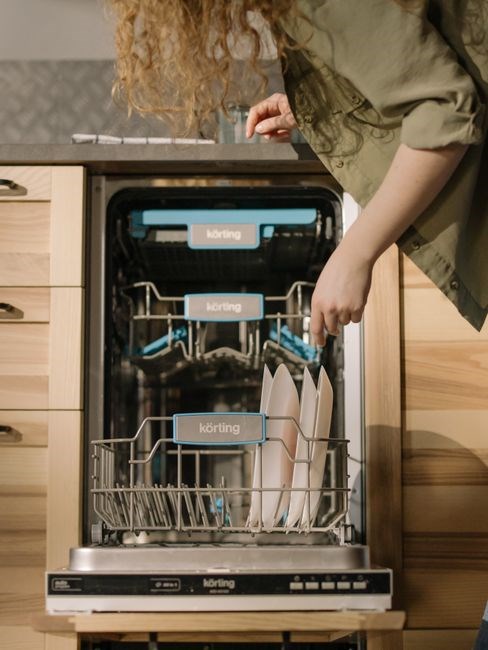
To maintain the pristine appearance and performance of the Bosch Ascenta’s stainless‑steel tub, follow these steps:
- Turn off and unplug the unit․
- Remove the upper and lower racks․
- Use a soft, non‑abrasive cloth or sponge with warm, mild detergent to wipe the interior walls and floor․
- Rinse with a clean, damp cloth to remove any soap residue․
- Dry thoroughly with a lint‑free towel․
- Inspect the built‑in filters located beneath the spray arm․
- Gently lift the filter assembly, remove any food particles or debris, and rinse under running water․
- Reinstall the filters, ensuring they sit flush․
- Repeat the cleaning cycle monthly to prevent buildup․
- For stubborn stains, a paste of baking soda and water can be applied, left for 10 minutes, then rinsed․
- Avoid harsh chemicals, abrasive scrubbers, or steel wool, as they can damage the stainless‑steel finish․
- Keep the door gasket clean and dry to prevent mold growth․
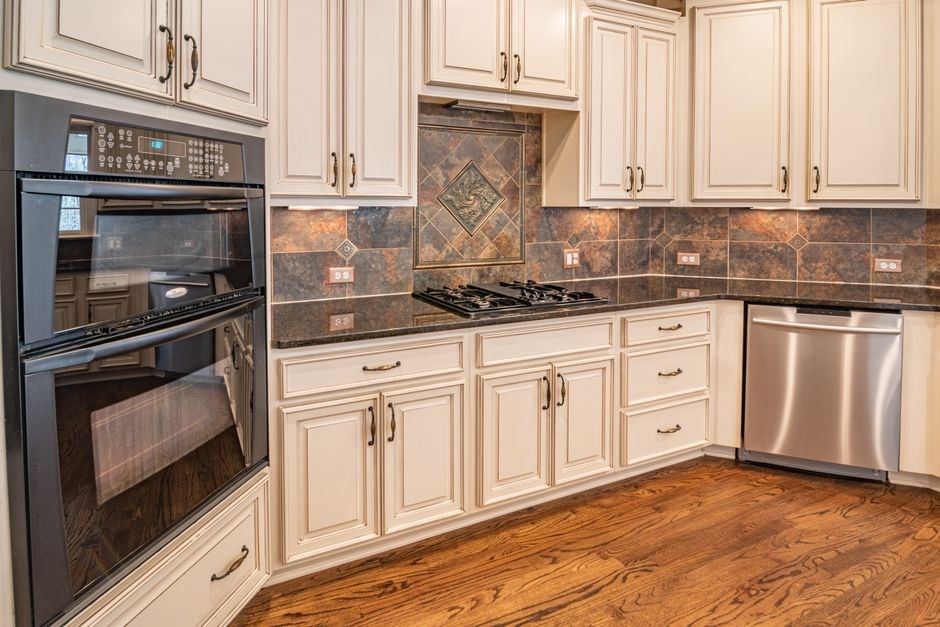
By following these steps, you’ll preserve the dishwasher’s efficiency and extend its lifespan․
Use the recommended Bosch dishwasher detergent and rinse aid for optimal cleaning․ Avoid using powdered detergents that can leave residue․ Add a small amount of vinegar to the rinse aid compartment once a month to reduce mineral buildup․ Ensure the door seal remains clean by wiping with a damp cloth after each wash․
Regularly inspect the spray arms for clogs and remove any debris with a toothpick or small brush․
Preventing Noise and Vibration Issues
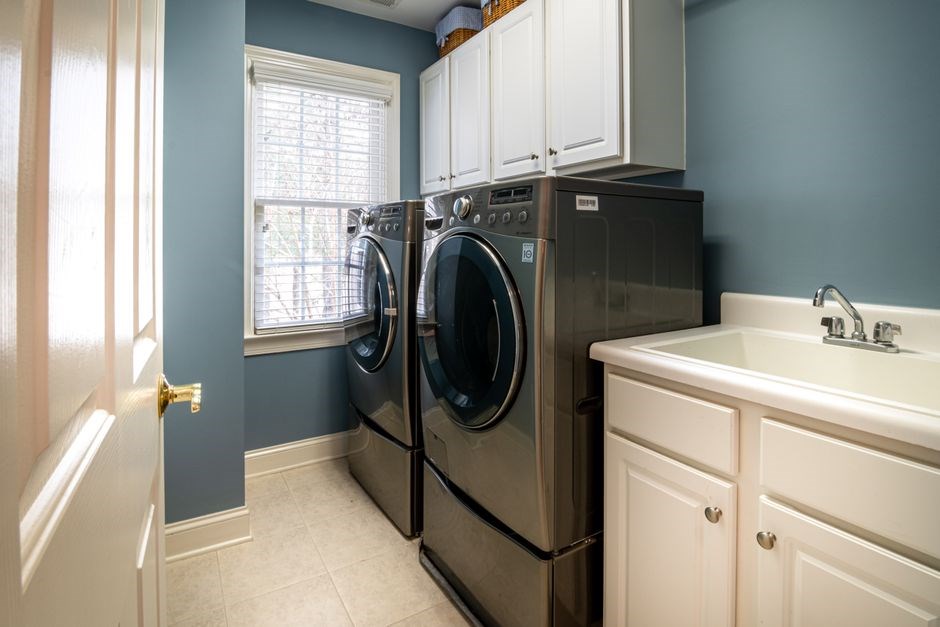
Even the quiet Bosch Ascenta can become noisy if not set up correctly․ Begin by placing the unit on a level surface; use a spirit level to verify․ If the floor is uneven, insert shims under the legs to level the dishwasher․ This reduces vibration that can transmit through the cabinet․
Check that the water inlet hose is not kinked or overly tight; a restricted flow can cause the motor to work harder, increasing noise․ Ensure the hose is routed away from the cabinet frame and secured with hose clamps․
Inspect the rubber feet on the bottom of the dishwasher․ Replace any that are cracked or worn, as they absorb vibrations․ Tighten all mounting screws to the manufacturer’s torque specification, typically 5–6 Nm, to prevent wobble․
Load dishes loosely; overloading forces the agitator to work harder, producing rattling sounds․ Place heavy items on the bottom rack and lighter items on the top․ Avoid stacking plates directly on one another; use the built‑in dividers․
Use the “Eco” or “Quiet” wash programs when possible; these operate at lower speeds and reduce motor noise․ If you notice persistent vibration, run a “Rinse” cycle with no load to test for mechanical issues․
Finally, keep the spray arms clean and free of debris․ A clogged arm can cause uneven water distribution, leading to vibration․ Remove the arm, rinse, and reinstall․ Follow these steps regularly to maintain a silent, smooth operation Check door seal for cracks and wipe with a damp cloth gently now
Connectivity & Support
Register your Bosch Ascenta via Home Connect, enabling remote diagnostics and firmware updates․ The app guides you through scheduling maintenance, monitoring water usage, and accessing troubleshooting tips․ Warranty details are available online for quick reference․ help․ now!?
Registering the Appliance and Using Home Connect
Begin by visiting the Bosch Home Connect website or opening the app on your smartphone․ Sign up with your email, create a secure password, and verify your account via the confirmation link sent to your inbox․ Once logged in, tap the ‘Add Device’ button and select ‘Dishwasher’ from the list․ Enter the model number (e․g․, 9000 633 139) and serial number displayed on the appliance’s label․ The app will prompt you to connect the dishwasher to your home Wi‑Fi network; ensure the router’s SSID and password are ready․ After a successful connection, the device will appear in your dashboard, allowing you to schedule wash cycles, monitor water consumption, and receive real‑time alerts for maintenance or error codes․ The Home Connect interface also offers remote diagnostics, firmware updates, and the ability to control the dishwasher from anywhere․ For advanced users, the app’s ‘Smart Home’ integration lets you link the appliance to voice assistants like Alexa or Google Assistant․ Should you encounter any issues, the in‑app support section provides FAQs, live chat, and the option to schedule a service call․ Remember to keep the app updated to benefit from the latest features and security patches․ Additionally, the system logs usage statistics, allowing you to track water and energy consumption trends over time, which can help you optimize your washing habits and reduce utility costs; Finally, check the notification center for updates daily and alerts to keep your dishwasher running smoothly
Accessing User Manuals and Warranty Information
To locate the official user manual for your Bosch Ascenta dishwasher, navigate to the Bosch Home Connect website or the dedicated support portal․ Enter your model number (e․g․, 9000 633 139) or serial identifier in the search field; the system will display downloadable PDFs for the full operating guide, maintenance checklist, and safety instructions․ The manual is available in multiple languages, including English, Spanish, French, and German, ensuring clear guidance for international users․ For warranty details, click the “Warranty” tab on the product page, where you will find the standard coverage period (typically five years for parts and labor in the U․S․) and the terms of service․ The warranty booklet outlines the process for filing a claim, the required documentation, and the service network locations․ If you prefer a hard copy, request a printed manual through the Bosch customer service hotline; a physical copy will be mailed within 7–10 business days․ Additionally, the Home Connect app provides a “Warranty” section that displays the remaining warranty duration and alerts you to any service appointments․ For extended coverage, Bosch offers optional protection plans that can be purchased online or through authorized dealers․ Keep a digital copy of the manual and warranty in a secure cloud folder for quick reference during troubleshooting or when scheduling maintenance․ Finally, register your appliance with the manufacturer to receive updates on firmware releases, recalls, and product recalls; this step also activates the warranty and ensures eligibility for future service promotions․ For comprehensive support, you can also access the Bosch Community forums where experienced users share troubleshooting tips, and the official Bosch blog offers seasonal cleaning hacks and energy‑saving strategies tailored to the Ascenta series․ All resources are linked directly from the Home Connect dashboard, making it straightforward to stay informed and maintain optimal performance throughout the appliance’s lifespan․ Thanks