

Understanding Cortisol and Weight Management
Recent trends spotlight “cortisol belly” and “cortisol face,” driving interest in dietary approaches. Personalized plans, like Cortisol Detox, aim to manage stress and weight.
Downloadable plans are emerging, but evaluating their credibility is crucial for effective cortisol management through diet.
What is Cortisol?
Cortisol, often dubbed the “stress hormone,” is a vital component of our body’s natural response to stress. Produced by the adrenal glands, it plays a crucial role in regulating metabolism, blood sugar levels, inflammation, and even memory formation. However, chronically elevated cortisol levels, stemming from persistent stress, can wreak havoc on overall health and contribute to weight gain, particularly around the abdomen – the infamous “cortisol belly.”
The recent surge in interest surrounding “cortisol face” and related dietary approaches, including the exploration of cortisol diet plans often available as PDFs, highlights a growing awareness of cortisol’s far-reaching effects. Understanding cortisol’s function is the first step towards managing its impact through targeted dietary and lifestyle interventions.
The Link Between Cortisol and “Cortisol Belly”
Elevated cortisol levels directly correlate with increased abdominal fat storage, commonly referred to as “cortisol belly.” When stressed, the body prioritizes energy availability, prompting cortisol to signal fat storage, particularly in the visceral region – around the organs. This isn’t merely cosmetic; visceral fat is metabolically active and linked to increased health risks.
The popularity of cortisol-focused diet plans, often found as downloadable PDFs, stems from this connection. These plans aim to mitigate cortisol’s effects through dietary adjustments, emphasizing blood sugar stabilization and reducing inflammatory triggers. Managing cortisol is key to breaking the cycle of stress-induced weight gain and reclaiming metabolic health, as highlighted by recent wellness trends.
Cortisol and Facial Puffiness (“Cortisol Face”)
“Cortisol face” describes facial puffiness, often manifesting as a rounded face, swollen cheeks, and under-eye bags, resulting from prolonged cortisol elevation. Cortisol impacts fluid retention and can disrupt lymphatic drainage, leading to this characteristic appearance. It’s frequently accompanied by other stress-related symptoms like mood swings and increased blood pressure.
The surge in interest surrounding cortisol-focused diets, including those available as PDF resources, reflects a desire to address these visible signs of stress. These plans often prioritize anti-inflammatory foods and strategies to regulate cortisol, aiming to reduce fluid retention and restore a more balanced facial appearance. Addressing cortisol is seen as a holistic approach to wellness.

Dietary Strategies to Manage Cortisol Levels
Diet plays a key role in cortisol regulation, with emerging PDF plans focusing on food choices. Prioritizing specific nutrients can help mitigate stress hormone impacts.
Foods to Include in a Cortisol-Lowering Diet
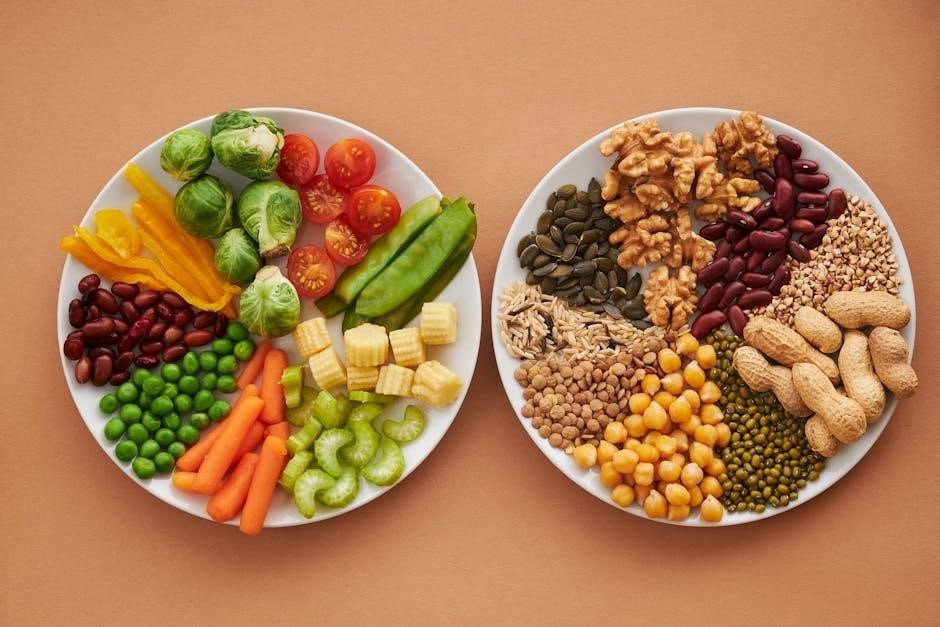
A cortisol-focused diet emphasizes stabilizing blood sugar and supporting adrenal function. Many downloadable PDF plans highlight the importance of incorporating specific foods to help manage cortisol levels effectively. Complex carbohydrates, like sweet potatoes and quinoa, provide sustained energy without the spikes associated with simple sugars.
Prioritizing protein intake is also crucial, as amino acids are building blocks for neurotransmitters that regulate mood and stress. Healthy fats, such as those found in avocados, nuts, and olive oil, support hormone production and reduce inflammation. These dietary components, often detailed in cortisol diet PDFs, work synergistically to promote balance.
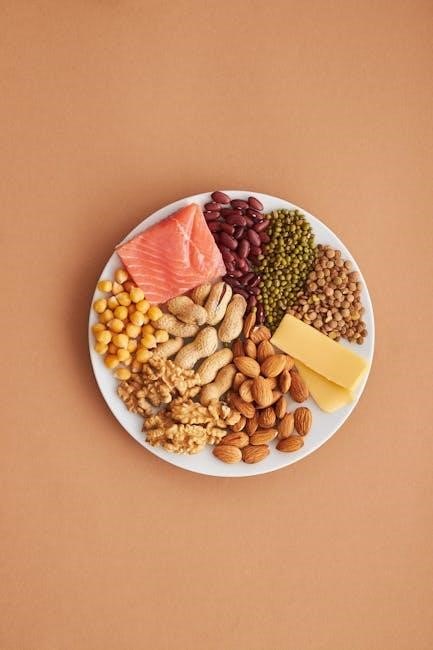
Focusing on nutrient-dense foods provides the body with the resources it needs to cope with stress and maintain optimal cortisol levels.
Complex Carbohydrates vs. Simple Sugars
Cortisol diet plan PDFs consistently emphasize the critical distinction between complex and simple carbohydrates. Simple sugars, found in processed foods and sugary drinks, cause rapid blood sugar spikes, triggering a surge in cortisol as the body attempts to regulate glucose levels. This creates a vicious cycle of stress and cravings.

Conversely, complex carbohydrates, like those in whole grains, vegetables, and legumes, are digested slowly, providing a steady release of glucose. This minimizes cortisol fluctuations and supports stable energy levels.
PDF resources often provide lists of approved complex carb sources and recipes designed to optimize blood sugar control, a cornerstone of cortisol management through diet.
Prioritizing Protein Intake
Cortisol diet plan PDFs universally highlight the importance of adequate protein consumption. Protein provides the amino acids necessary for neurotransmitter synthesis, including those that regulate mood and stress response. It also helps stabilize blood sugar, mitigating cortisol spikes often triggered by carbohydrate-rich meals.
Lean protein sources, such as fish, poultry, beans, and lentils, are frequently recommended. These PDFs often detail optimal protein intake levels based on individual factors like activity level and body weight.
Furthermore, protein promotes satiety, reducing cravings for processed foods and sugary snacks that exacerbate cortisol imbalances. Many plans include meal suggestions with protein as the central component.
Healthy Fats and Cortisol Regulation
Cortisol diet plan PDFs emphasize incorporating healthy fats as a cornerstone of hormonal balance. These fats support adrenal function, crucial for cortisol production, and help modulate the stress response. Omega-3 fatty acids, found in fatty fish like salmon, are particularly highlighted for their anti-inflammatory properties.
Avocados, nuts, seeds, and olive oil are frequently recommended sources of monounsaturated fats, contributing to overall well-being and cortisol regulation. PDFs often detail the importance of a balanced fat intake, avoiding excessive consumption of any single type.
These plans suggest that healthy fats improve cell membrane function, enhancing the body’s ability to respond to stress effectively.
Foods to Limit or Avoid
Cortisol diet plan PDFs consistently advise limiting processed foods, as they trigger rapid cortisol spikes due to refined sugars and unhealthy fats. These plans emphasize that frequent spikes contribute to weight gain, particularly around the abdomen – the infamous “cortisol belly.”
Excessive caffeine consumption is also flagged, with PDFs recommending moderation or switching to herbal teas. Similarly, alcohol intake should be limited, as it disrupts sleep and elevates cortisol levels.
These resources often provide detailed lists of foods to avoid, including sugary drinks, fast food, and artificial sweeteners, promoting a whole-foods approach to stabilize cortisol.
Processed Foods and Cortisol Spikes
Cortisol diet plan PDFs highlight a direct link between processed food consumption and elevated cortisol levels. These foods, often laden with refined sugars and unhealthy fats, cause rapid blood sugar fluctuations, triggering the adrenal glands to release cortisol as a stress response.
The documents explain that frequent cortisol spikes disrupt metabolic processes, promoting fat storage, especially in the abdominal area. PDFs emphasize that minimizing processed foods – including fast food, packaged snacks, and sugary drinks – is crucial for stabilizing cortisol and supporting weight management.
They advocate for prioritizing whole, unprocessed foods to mitigate these hormonal imbalances.
Excessive Caffeine Consumption
Cortisol diet plan PDFs consistently address the impact of caffeine on cortisol levels. Caffeine is a stimulant that directly influences the hypothalamic-pituitary-adrenal (HPA) axis, prompting cortisol release. While moderate caffeine intake might be tolerable for some, PDFs caution against excessive consumption, particularly for individuals already experiencing high stress or cortisol imbalances.
These resources explain that chronic caffeine overstimulation can lead to adrenal fatigue and disrupt sleep patterns, further exacerbating cortisol dysregulation. The documents recommend limiting caffeine intake or opting for alternatives like herbal teas to support a more balanced hormonal profile.
They suggest monitoring individual tolerance and adjusting consumption accordingly.
Limiting Alcohol Intake
Cortisol diet plan PDFs frequently emphasize the detrimental effects of alcohol on cortisol regulation. While seemingly relaxing, alcohol disrupts sleep architecture, leading to increased cortisol levels overnight. These guides explain that alcohol metabolism places stress on the liver, further contributing to hormonal imbalances and inflammation.
PDF resources highlight that alcohol can also interfere with blood sugar control, triggering cortisol release as the body attempts to maintain glucose homeostasis. They generally recommend minimizing or eliminating alcohol consumption, especially during the initial phases of a cortisol-lowering diet.
The documents suggest prioritizing hydration and non-alcoholic beverages to support adrenal function and overall well-being.

Personalized Cortisol Diet Plans
Cortisol Detox offers tailored weight-loss programs addressing stress and cortisol-related weight gain. PDF resources provide individualized anti-cortisol plans for optimal results.
Gut health’s role is emphasized in these plans, guiding users toward a balanced approach.
Cortisol Detox Programs: An Overview
Cortisol Detox programs, gaining traction in 2026, present a personalized approach to weight management centered around regulating the stress hormone. These programs, often delivered through downloadable plans – PDF formats are common – combine dietary guidance, workout routines, and potentially, stress-reduction techniques.
The core principle involves identifying and minimizing factors that trigger cortisol spikes, with a strong emphasis on nutrition. PDF resources typically detail specific food lists – what to include and exclude – alongside meal suggestions tailored to individual needs. These plans aim to reduce cortisol-related weight gain, particularly around the abdomen (“cortisol belly”), and address associated symptoms like facial puffiness. GlobeNewswire reports that these programs are designed to support overall well-being by managing stress and promoting a healthier hormonal balance.
Personalized Weight-Loss Programs for Cortisol Management
Personalized weight-loss programs addressing cortisol imbalances are increasingly popular, often delivered as comprehensive PDF guides. These plans move beyond generic diets, recognizing that cortisol responses vary significantly between individuals. Cortisol Detox, for example, offers a tailored program designed to manage stress-induced weight gain.
PDF resources within these programs typically include detailed assessments to identify individual cortisol patterns and triggers. Dietary recommendations are then customized, focusing on foods that support adrenal function and stabilize blood sugar. Workout routines are often incorporated, emphasizing low-impact exercise to minimize additional stress. The goal is to create a sustainable lifestyle approach, rather than a quick fix, promoting long-term cortisol regulation and healthy weight management.
The Role of Gut Health in Cortisol Regulation
Emerging research highlights a strong connection between gut health and cortisol levels, influencing the design of cortisol diet plan PDFs. A compromised gut microbiome can exacerbate the stress response, leading to elevated cortisol. These plans often prioritize foods that nourish gut bacteria, such as fiber-rich fruits, vegetables, and fermented foods.
PDF guides frequently recommend eliminating inflammatory foods that disrupt gut balance, like processed sugars and unhealthy fats. Strategies to improve gut health, like probiotic supplementation, may also be included. The focus is on restoring a healthy gut environment to modulate the hypothalamic-pituitary-adrenal (HPA) axis, reducing cortisol reactivity and promoting overall well-being. A healthy gut supports better stress resilience.

Supplements and Cortisol Control
Cortisol diet plan PDFs often suggest supplements like magnesium, ashwagandha, and phosphatidylserine. These aim to support adrenal function and mitigate stress’s impact.
Magnesium and Cortisol
Many cortisol diet plan PDFs emphasize magnesium’s crucial role in stress response. Magnesium actively participates in over 300 enzymatic reactions within the body, including those governing cortisol production. Deficiency can exacerbate the effects of stress, leading to heightened cortisol levels and associated weight gain, particularly around the abdomen.
Supplementation, as often detailed in these plans, aims to replenish magnesium stores, potentially modulating the hypothalamic-pituitary-adrenal (HPA) axis – the body’s central stress system. Different forms of magnesium exist, with varying bioavailability; PDFs frequently recommend magnesium glycinate or citrate for optimal absorption. However, it’s vital to consult a healthcare professional before starting any supplementation regimen, as excessive intake can cause digestive issues.
Ashwagandha for Stress Reduction
Cortisol diet plan PDFs frequently highlight ashwagandha as a key adaptogen for managing stress and, consequently, cortisol levels. This herb, rooted in Ayurvedic medicine, is believed to help the body resist physical and mental stress, potentially lowering cortisol secretion. Research suggests ashwagandha can improve resilience to stress and reduce anxiety, both factors contributing to elevated cortisol.
PDFs often detail recommended dosages and forms, such as capsules or powders. However, it’s crucial to choose standardized extracts to ensure consistent potency. Potential benefits include improved sleep quality and reduced inflammation, further supporting cortisol regulation. As with any supplement, consulting a healthcare provider before incorporating ashwagandha is essential, particularly for individuals with pre-existing conditions or taking medications.
Phosphatidylserine (PS) and Cortisol Levels
Many cortisol diet plan PDFs include phosphatidylserine (PS) as a supplement to consider, citing its potential to modulate the body’s stress response. PS is a phospholipid found in cell membranes, particularly concentrated in the brain, and plays a role in hormone regulation. Studies indicate that PS supplementation may help blunt cortisol increases during periods of physical or mental stress.
PDF resources often explain how PS supports adrenal function, potentially preventing cortisol from becoming chronically elevated. Dosage recommendations typically range from 100-300mg daily, but individual needs may vary. It’s important to note that PS is derived from soy or sunflower lecithin, so allergy considerations are vital. Always consult a healthcare professional before adding PS to your regimen, especially if you have existing health concerns.

Lifestyle Factors Complementing the Diet
Cortisol diet plan PDFs emphasize that diet alone isn’t enough; stress management via mindfulness and regular, low-impact exercise are vital for optimal results.
Stress Management Techniques
Many cortisol diet plan PDFs acknowledge that dietary changes are significantly more effective when paired with robust stress reduction strategies. Mindfulness and meditation are frequently recommended, offering techniques to calm the nervous system and lower cortisol production. For those finding it difficult to incorporate lengthy practices, even brief daily sessions can yield benefits.
Furthermore, regular exercise, particularly low-impact activities like walking, yoga, or swimming, is highlighted as a crucial component. These activities help regulate the hypothalamic-pituitary-adrenal (HPA) axis, the body’s central stress response system. The emphasis is on consistency rather than intensity, as excessive strenuous exercise can paradoxically elevate cortisol levels. Integrating these lifestyle adjustments alongside a tailored diet maximizes the potential for successful cortisol management.
Mindfulness and Meditation
Cortisol diet plan PDFs consistently emphasize the synergistic effect of mindful practices alongside nutritional adjustments. Mindfulness and meditation are presented not merely as relaxation techniques, but as tools to directly influence the HPA axis, reducing the physiological response to stressors. Regular practice helps individuals become more aware of their stress triggers and develop healthier coping mechanisms.
Many plans suggest starting with short, guided meditations – even five to ten minutes daily – to cultivate present moment awareness. Techniques like deep breathing exercises are also frequently included, offering immediate cortisol-lowering benefits. The goal isn’t to eliminate stress entirely, but to alter the relationship with it, fostering resilience and reducing the chronic elevation of cortisol levels.
Regular Exercise (Low-Impact)
Cortisol diet plan PDFs universally recommend incorporating regular physical activity, but with a crucial caveat: prioritize low-impact exercise. Intense workouts, while beneficial for overall health, can paradoxically increase cortisol levels in the short term, potentially counteracting dietary efforts. Instead, focus on activities like walking, yoga, swimming, or cycling.
These gentler forms of exercise help regulate the HPA axis over time, improving the body’s ability to manage stress. PDF resources often suggest aiming for at least 30 minutes of moderate-intensity, low-impact exercise most days of the week. Consistency is key, and finding activities you enjoy will increase adherence and long-term success.
Sleep Hygiene and Cortisol
Cortisol diet plan PDFs consistently emphasize the critical link between sleep and cortisol regulation. Cortisol naturally follows a diurnal rhythm, peaking in the morning and declining throughout the day, reaching its lowest point during sleep. Disrupted sleep throws this rhythm off balance, leading to chronically elevated cortisol levels.
Resources recommend establishing a consistent sleep schedule, aiming for 7-9 hours of quality sleep per night. Creating a relaxing bedtime routine – dimming lights, avoiding screens, and practicing relaxation techniques – is also vital. PDFs often highlight the importance of a dark, quiet, and cool sleep environment to optimize melatonin production and support healthy cortisol levels.
Emerging Trends in Cortisol-Focused Diets
PDF resources reveal growing interest in low-histamine and Autoimmune Protocol (AIP) diets for cortisol regulation, fueling innovation in food and beverage industries.

Low-Histamine Diet and Cortisol
Emerging research suggests a connection between histamine intolerance and elevated cortisol levels, prompting exploration of low-histamine diets as a potential strategy. Histamine, a compound involved in immune responses, can trigger inflammation and stress responses, indirectly impacting cortisol secretion.
PDF guides detailing low-histamine protocols often emphasize fresh, whole foods while excluding fermented items, aged cheeses, and processed meats – all high in histamine. The rationale is reducing the body’s inflammatory burden, thereby lessening the demand on the adrenal glands and potentially lowering cortisol.
However, it’s crucial to note that the direct link between histamine and cortisol is still under investigation, and individual responses vary. A cortisol diet plan PDF focusing on low-histamine principles should be approached cautiously and ideally under the guidance of a healthcare professional.
Autoimmune Protocol (AIP) Diet and Cortisol
The Autoimmune Protocol (AIP) diet, initially designed to manage autoimmune conditions, is gaining attention for its potential impact on cortisol regulation. AIP focuses on eliminating foods believed to trigger inflammation and gut permeability – factors that can exacerbate stress responses and elevate cortisol.
Cortisol diet plan PDFs incorporating AIP principles typically involve a strict elimination phase, removing grains, legumes, nightshades, dairy, eggs, and nuts. The goal is to heal the gut lining, reduce systemic inflammation, and support adrenal function.
While promising, AIP is a restrictive diet requiring careful planning and monitoring. Its effectiveness in directly lowering cortisol requires further research, but its emphasis on gut health aligns with the growing understanding of the gut-brain-hormone axis.

Finding a Cortisol Diet Plan PDF
Numerous cortisol diet plan PDFs are available online, including those from Cortisol Detox. Carefully evaluate the source’s credibility before adopting any restrictive dietary approach.
Resources for Downloadable Plans
The surge in interest surrounding cortisol and its impact on weight has led to a proliferation of downloadable diet plans available online. Cortisol Detox, launched in March 2026, specifically offers a personalized weight-loss program and likely provides downloadable components as part of its service.
Beyond dedicated programs, numerous websites and wellness blogs feature free or paid cortisol-focused diet PDFs. However, caution is advised. A simple web search reveals a wide range of quality, from evidence-based guides created by registered dietitians to less reliable plans based on anecdotal evidence. Always prioritize resources from qualified healthcare professionals or reputable organizations when seeking a downloadable cortisol diet plan.
Look for plans that emphasize whole foods, stress management techniques, and personalized recommendations rather than restrictive or fad-diet approaches.
Evaluating the Credibility of PDF Resources
Given the abundance of cortisol diet plan PDFs, discerning credible sources is paramount. First, check the author’s credentials. Is it a registered dietitian, endocrinologist, or qualified healthcare professional? Beware of plans authored by individuals without relevant expertise.
Secondly, assess the scientific basis of the plan. Does it cite peer-reviewed research to support its claims? Avoid plans relying solely on testimonials or anecdotal evidence. Look for a balanced approach emphasizing whole foods, stress reduction, and lifestyle modifications, rather than restrictive diets or “quick fixes.”
Finally, be wary of plans promising unrealistic results or promoting expensive supplements. A credible plan will prioritize sustainable, long-term changes rather than temporary solutions. Prioritize resources from trusted health organizations and consult your doctor before starting any new diet.