
Quadra-Fire Pellet Stove Manual: A Comprehensive Guide (Updated 02/12/2026)
Today’s date is 02/12/2026 02:06:27. This manual details the Castile Pellet Stove‚ offering a cost-effective and cozy heating solution‚ similar to fireplaces.
Welcome to the world of efficient and eco-friendly heating! Quadra-Fire pellet stoves represent a significant advancement in home comfort technology. This introduction will familiarize you with the core principles behind these innovative heating systems. Unlike traditional wood stoves‚ Quadra-Fire utilizes compressed wood pellets‚ offering a cleaner burn and consistent heat output.
Pellet stoves provide a cost-effective alternative to conventional heating methods‚ mirroring the cozy ambiance of a fireplace without the associated mess and labor. Your new Quadra-Fire Castile Pellet Stove is designed for ease of use and long-lasting performance. This manual serves as your comprehensive guide‚ ensuring you maximize the benefits of your investment and enjoy years of reliable warmth. We’ll explore the unique features and functionalities throughout.
Understanding Pellet Stove Technology
Pellet stoves operate on a remarkably simple‚ yet effective principle. Compressed wood pellets‚ created from wood waste‚ are automatically fed into a firepot where they ignite. A fan forces air across the burning pellets‚ distributing heat throughout the room. This automated process distinguishes pellet stoves from traditional wood-burning methods‚ offering consistent temperatures and reduced manual intervention.
The efficiency of a pellet stove stems from the density of the fuel and the controlled combustion process. Quadra-Fire stoves are engineered to maximize heat extraction from each pellet‚ minimizing waste and maximizing fuel economy. Understanding this core technology will help you appreciate the benefits of your new heating system and optimize its performance for years to come.
Safety First: Important Precautions
Prioritize safety! Proper installation‚ ventilation‚ and electrical connections are crucial for safe operation of your Quadra-Fire pellet stove‚ preventing hazards.
Carbon Monoxide Safety
Carbon monoxide (CO) is a silent‚ deadly gas. Your Quadra-Fire pellet stove produces carbon monoxide during combustion‚ and proper venting is absolutely critical to prevent buildup inside your home. Install a CO detector near the stove and on every level of your dwelling‚ testing it regularly to ensure functionality.
Symptoms of CO poisoning include headache‚ dizziness‚ nausea‚ shortness of breath‚ and confusion. If a CO alarm sounds‚ evacuate immediately and call emergency services. Never ignore a CO alarm! Ensure the venting system is inspected annually by a qualified professional to verify it’s free of obstructions and functioning correctly. Maintaining a clear vent path is paramount for your family’s safety.
Proper Ventilation Requirements
Adequate ventilation is crucial for safe and efficient operation of your Quadra-Fire pellet stove. The stove requires a dedicated vent system specifically designed for pellet appliances‚ ensuring proper exhaust of combustion gases. Never connect to a chimney flue used for wood or gas appliances;
The vent pipe must maintain a consistent upward slope and adhere to all local building codes and manufacturer’s specifications. Improper venting can lead to carbon monoxide buildup or reduced stove performance. Regularly inspect the vent system for blockages‚ damage‚ or corrosion. Professional installation is highly recommended to guarantee compliance and safety. Ensure sufficient fresh air intake for optimal combustion.
Electrical Connection Guidelines
Your Quadra-Fire pellet stove requires a dedicated 120-volt‚ 15-amp electrical circuit. Do not share this circuit with other appliances. A grounded outlet is essential for safe operation‚ preventing electrical shock hazards. Always disconnect power before performing any maintenance or service.
Installation should be performed by a qualified electrician‚ ensuring compliance with all local electrical codes. Use the correct wire gauge as specified in the stove’s specifications. Never use extension cords or adapters. Regularly inspect the power cord for damage and replace if necessary. Improper electrical connection can damage the stove and void the warranty.
Component Identification: Castile Pellet Stove Parts Diagram
This section details key parts‚ including the hopper‚ auger‚ firepot‚ exhaust system‚ and control board‚ essential for understanding your Quadra-Fire stove’s operation.
Hopper and Auger System
The hopper is the reservoir that holds the pellet fuel‚ supplying a consistent source for heating. Its capacity varies by model‚ influencing how frequently refills are needed. Below the hopper resides the auger system‚ a crucial component responsible for delivering pellets from the hopper to the firepot.
This system utilizes a rotating screw-like mechanism – the auger – to precisely meter and transport pellets. The auger’s speed is controlled by the stove’s control board‚ directly impacting the heat output. Proper auger function is vital; obstructions can lead to stove malfunctions. Regularly inspect the auger for debris or buildup to ensure smooth operation and efficient fuel delivery. Maintaining this system guarantees consistent and reliable heating performance.
Firepot and Burn Pot
The firepot‚ or burn pot‚ is the heart of the Quadra-Fire pellet stove‚ where combustion occurs. Pellets delivered by the auger system accumulate within this pot‚ igniting and releasing heat. Different models may utilize varying firepot designs‚ influencing burn efficiency and emissions. Some stoves feature a rotating firepot‚ promoting even pellet distribution and complete combustion.
Regular inspection of the firepot is essential. Look for signs of wear‚ cracking‚ or excessive ash buildup. A damaged firepot compromises heating performance and can pose safety risks. Maintaining a clean firepot ensures optimal airflow and efficient burning. Proper function of this component is critical for maximizing heat output and minimizing pellet consumption‚ delivering consistent warmth.
Exhaust System Components
The exhaust system safely removes combustion byproducts from your Quadra-Fire pellet stove. Key components include the venting pipe‚ typically constructed from stainless steel‚ and the termination cap. Proper installation is paramount‚ adhering strictly to local building codes and the manufacturer’s guidelines. Incorrect venting can lead to carbon monoxide buildup‚ a serious health hazard.
Regular inspection of the exhaust system is crucial. Check for obstructions like bird nests or creosote accumulation. Ensure all connections are secure and leak-free. A properly functioning exhaust system guarantees safe and efficient operation. Maintaining a clear and well-sealed vent pathway is vital for optimal performance and the well-being of your household.
Control Board and User Interface
The control board is the brain of your Quadra-Fire pellet stove‚ managing all operational functions. The user interface‚ typically a digital display‚ allows for easy adjustment of settings like heat output and fan speed. Familiarize yourself with the various buttons and menu options for optimal control.
Understanding the interface is key to maximizing efficiency and comfort. Features often include programmable thermostats‚ allowing scheduled heating‚ and diagnostic displays for troubleshooting. Refer to the detailed sections on advanced settings for a comprehensive overview. Proper use of the control board ensures a safe‚ efficient‚ and personalized heating experience.
Installation Procedures
Proper installation is crucial for safe and efficient operation. This section covers hearth pad requirements‚ pellet venting‚ and electrical wiring setup procedures.
Hearth Pad Requirements
A non-combustible hearth pad is absolutely essential for protecting your flooring and ensuring safe operation of your Quadra-Fire pellet stove. The hearth pad must extend a minimum of 18 inches in front of the stove’s door and 8 inches to each side.
It should also extend 18 inches to the rear of the stove‚ unless the wall is constructed of non-combustible material like brick or concrete. Acceptable materials include tile‚ brick‚ stone‚ or a specifically manufactured hearth pad designed for pellet stoves.
Never use combustible materials like wood or carpet as a hearth pad. Ensure the hearth pad is level and securely installed before proceeding with the stove installation. Always consult local building codes for specific hearth pad requirements in your area.
Pellet Venting Installation
Proper pellet venting is crucial for safe and efficient stove operation‚ expelling exhaust gases safely outside your home. Always use venting components specifically designed and approved for pellet stoves; standard wood stove venting is not suitable. The vent pipe must maintain a minimum clearance from combustible materials as specified by the manufacturer and local codes.
Ensure all vent sections are securely connected and sealed to prevent leaks. A properly sized and installed vent pipe is vital for optimal draft and preventing backdrafting.
Never reduce the vent pipe diameter. Regularly inspect the venting system for obstructions or damage. Professional installation is highly recommended to guarantee compliance with safety regulations.
Electrical Wiring Setup
Correct electrical connection is paramount for safe operation of your Quadra-Fire pellet stove. The stove requires a dedicated 120V‚ 15-amp circuit. Do not connect the stove to an extension cord or multi-outlet adapter. A qualified electrician should perform the wiring‚ ensuring compliance with all local electrical codes.
Before commencing any electrical work‚ always disconnect power to the circuit at the breaker box. The stove must be properly grounded. Incorrect wiring can lead to fire hazards or damage the stove’s control board.
Verify the voltage matches the stove’s specifications. Improper voltage can cause malfunctions.
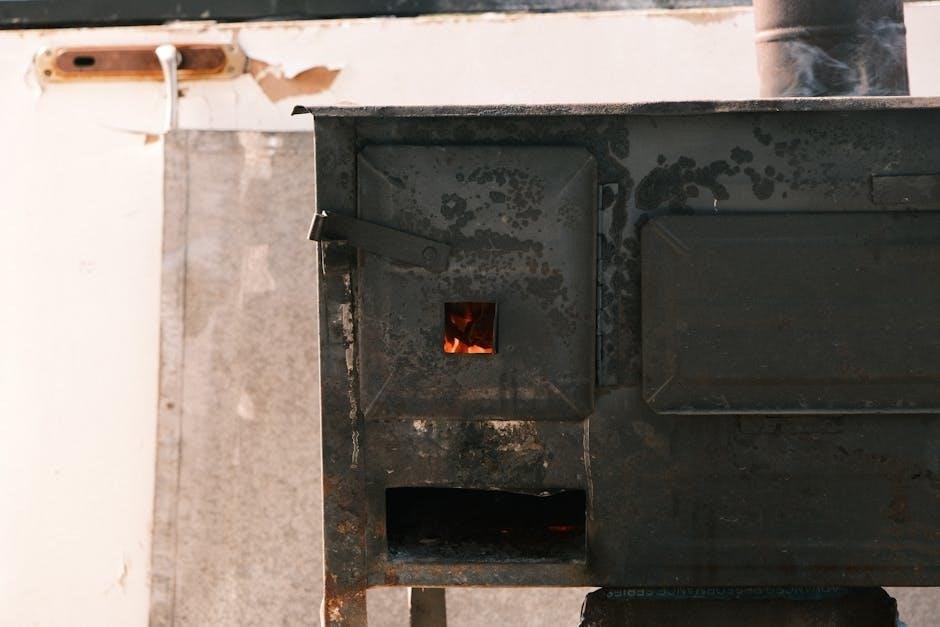
Operating Your Quadra-Fire Pellet Stove
Begin with the initial startup procedure‚ then adjust heat output using the control panel. Familiarize yourself with all settings for optimal performance and comfort.
Initial Startup Procedure
Before your first fire‚ ensure the pellet stove is properly installed and all safety precautions have been reviewed. Begin by filling the hopper with high-quality pellets‚ verifying they are dry and free of debris. Power on the stove and allow the auger to prime‚ filling the firepot.
Initiate the startup sequence via the control panel‚ typically selecting a low heat setting. The igniter will activate‚ and you should observe flames within a few minutes. Monitor the initial burn‚ ensuring a consistent and robust flame pattern. Allow the stove to cycle through a few burn cycles at lower settings to establish proper airflow and combustion.
Avoid immediately increasing the heat to maximum; gradually raise the settings to assess the stove’s performance and ensure optimal efficiency. Observe for any unusual noises or smells during this initial burn-in period.
Adjusting Heat Output Settings
Your Quadra-Fire pellet stove offers versatile heat control through its user-friendly interface. Heat output is typically adjusted using a combination of fan speed and fuel feed rate settings. Lower fan speeds and reduced fuel delivery result in a gentler‚ more economical burn‚ ideal for maintaining consistent warmth.
Conversely‚ increasing fan speed and fuel feed maximizes heat output for quicker room heating. Experiment with different settings to find the optimal balance between comfort and efficiency. Observe the stove’s response to adjustments‚ noting how changes affect room temperature and pellet consumption.
Remember that external factors like insulation and drafts can influence heating performance‚ requiring further adjustments to achieve desired results.
Understanding the Control Panel
The Quadra-Fire control panel is the central hub for operating your pellet stove. It typically features a digital display and several buttons for managing various functions. Key controls include power‚ fan speed adjustment‚ fuel feed rate‚ and thermostat settings. The display provides real-time information such as stove temperature‚ hopper level‚ and any active error codes.
Familiarize yourself with each button’s function and the information presented on the display. Many models offer programmable features‚ allowing you to schedule heating cycles and customize settings to your preferences. Refer to the specific model’s diagram for precise button locations and functions.
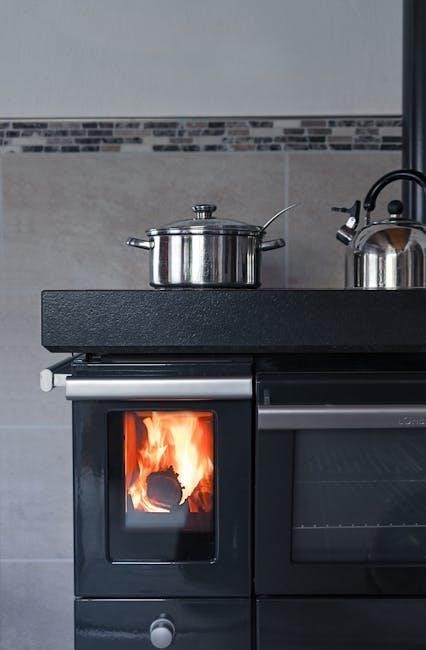
Maintenance and Troubleshooting
Regular cleaning‚ proper pellet storage‚ and understanding error codes are crucial for optimal performance and longevity of your Quadra-Fire pellet stove.
Regular Cleaning Schedule
Maintaining a consistent cleaning schedule is paramount for safe and efficient operation of your Quadra-Fire pellet stove. Daily‚ remove ash from the firepot‚ ensuring it doesn’t exceed a half-inch depth. Weekly‚ inspect and clean the viewing glass with a specialized cleaner to maintain visibility.
Monthly‚ thoroughly clean the heat exchanger‚ removing any accumulated dust or debris with a vacuum and brush. Inspect the venting system for obstructions and creosote buildup – professional cleaning is recommended annually.
Before each heating season‚ a comprehensive inspection of all components‚ including the auger and blower motor‚ is vital. This proactive approach prevents malfunctions and extends the lifespan of your stove‚ ensuring years of reliable warmth.
Pellet Quality and Storage
Optimal performance of your Quadra-Fire stove hinges on using high-quality pellets. Look for pellets with low moisture content (ideally under 20%) and minimal fines (dust). Premium pellets burn cleaner‚ produce more heat‚ and create less ash. Avoid pellets that appear damp‚ moldy‚ or broken.
Proper storage is crucial. Keep pellets in a dry‚ well-ventilated area‚ protected from rain and snow. A sealed shed or garage is ideal. Avoid direct contact with the ground to prevent moisture absorption.
Storing pellets correctly prevents clumping and ensures consistent fuel delivery to the firepot‚ maximizing efficiency and minimizing potential issues.
Common Error Codes and Solutions

Your Quadra-Fire stove’s control board displays error codes to indicate potential problems. “E1” often signals an auger jam – check for obstructions in the auger tube and hopper. “E2” typically indicates a low hopper level; simply refill the hopper with pellets.
“E3” may point to an over-temperature condition; allow the stove to cool and check for airflow restrictions. “E4” often relates to a faulty exhaust sensor – contact a qualified technician.
Consult the full error code list in the appendix for a comprehensive guide. Always disconnect power before attempting any repairs. If an error persists‚ professional service is recommended.
Auger Motor Troubleshooting
A malfunctioning auger motor prevents pellet delivery to the firepot. First‚ ensure the stove is unplugged. Check the auger motor for physical obstructions – pellets can sometimes jam the flighting. Verify the motor receives power; a multimeter can confirm voltage at the connection.
If power is present‚ the motor itself may be faulty and require replacement. Inspect the wiring harness for damage or loose connections. A worn-out auger coupling can also cause issues; examine it for cracks or wear.
Always replace components with manufacturer-approved parts. If problems persist‚ consult a qualified technician for diagnosis and repair.
Firepot Cleaning and Inspection
Regular firepot cleaning is crucial for efficient combustion. Ash buildup restricts airflow‚ reducing heat output and potentially causing incomplete burning. Always allow the stove to cool completely before inspection and cleaning.
Remove the firepot according to the stove’s instructions. Inspect for cracks‚ warping‚ or excessive wear. A damaged firepot must be replaced. Use a brush or vacuum to remove accumulated ash and debris.
Ensure the air holes are clear of obstructions. Reinstall the firepot securely. Proper maintenance extends the life of your stove and optimizes performance. A clean firepot ensures efficient pellet burning.

Advanced Features and Settings
Explore programmable thermostat functions‚ air intake adjustments‚ and catalytic combustor options (if equipped) to personalize your heating experience and maximize efficiency.
Programmable Thermostat Functions
Your Quadra-Fire pellet stove boasts a sophisticated programmable thermostat‚ allowing for customized heating schedules to match your lifestyle and optimize fuel consumption. You can set different temperatures for various times of the day‚ ensuring comfort when you’re home and saving energy when you’re away.
The control panel enables you to program up to seven days in advance‚ creating a weekly heating plan. Features include automatic ignition and shut-down based on the programmed schedule. Explore settings for ‘wake-up’ temperatures‚ ‘sleep’ modes‚ and weekend adjustments.
Utilizing these functions not only enhances comfort but also contributes to lower heating bills. Refer to the control panel section for detailed instructions on programming and accessing these advanced thermostat capabilities.
Air Intake Adjustment
Precise air intake control is crucial for optimal combustion and heat output in your Quadra-Fire pellet stove. Adjusting the air intake affects the burn rate‚ flame quality‚ and overall efficiency. A higher air intake generally results in a hotter‚ faster burn‚ while a lower setting promotes a slower‚ more efficient burn with reduced emissions.
The air intake is typically adjusted via a manual damper or through the electronic control panel. Monitor the flame pattern; a lively‚ blue flame indicates proper combustion. Yellow or smoky flames suggest insufficient air.
Experiment with small adjustments to find the ideal setting for your pellet fuel and environmental conditions. Always prioritize a clean‚ efficient burn for both performance and safety.
Catalytic Combustor (If Applicable)
Some Quadra-Fire models feature a catalytic combustor‚ enhancing efficiency and reducing emissions through secondary combustion. This component ignites gases released during the initial burn‚ extracting additional heat and minimizing pollutants. Regular inspection and maintenance are vital for optimal performance.
The combustor’s effectiveness diminishes over time with ash buildup. Follow the recommended cleaning schedule‚ typically involving a light brushing or vacuuming. A clogged combustor reduces heating capacity and may trigger error codes.
Observe the exhaust temperature gauge; a lower reading generally indicates a functioning combustor. Replacement is necessary when the combustor becomes irreparably damaged or fails to maintain efficiency.
Warranty Information
Your Quadra-Fire pellet stove is protected by a comprehensive warranty. Registration is required to activate coverage; details regarding terms and conditions are included herein.
Registration Process
To ensure full warranty coverage for your new Quadra-Fire pellet stove‚ prompt registration is essential. You can register online through our official website at [insert website address here]. Alternatively‚ a physical registration card was included within the product packaging; simply complete it and mail it to the address provided.
During the registration process‚ you will be required to provide key information‚ including the model number‚ serial number (located on the stove’s data plate)‚ date of purchase‚ and your contact details. Please retain a copy of your registration confirmation for your records. Failure to register may impact your ability to claim warranty benefits. Registration must occur within 30 days of purchase to be valid.
Coverage Details
Your Quadra-Fire pellet stove is protected by a comprehensive warranty‚ safeguarding against defects in materials and workmanship. The standard warranty covers parts and labor for a period of one year from the date of purchase. Specific components‚ such as the firepot and catalytic combustor (if equipped)‚ may have extended warranty periods as detailed in the full warranty document.
This warranty does not cover damage resulting from improper installation‚ misuse‚ neglect‚ or unauthorized modifications. Regular maintenance‚ as outlined in this manual‚ is crucial for maintaining warranty validity. For complete warranty terms and conditions‚ please refer to the separate warranty document included with your stove or visit our website.